

Properties & Qualities
Application
Art Furnishing Product
Colour
Metallic
Sample Information
Date of creation
2021
Dimensions
50mmx55mm diameter
Culture & Context
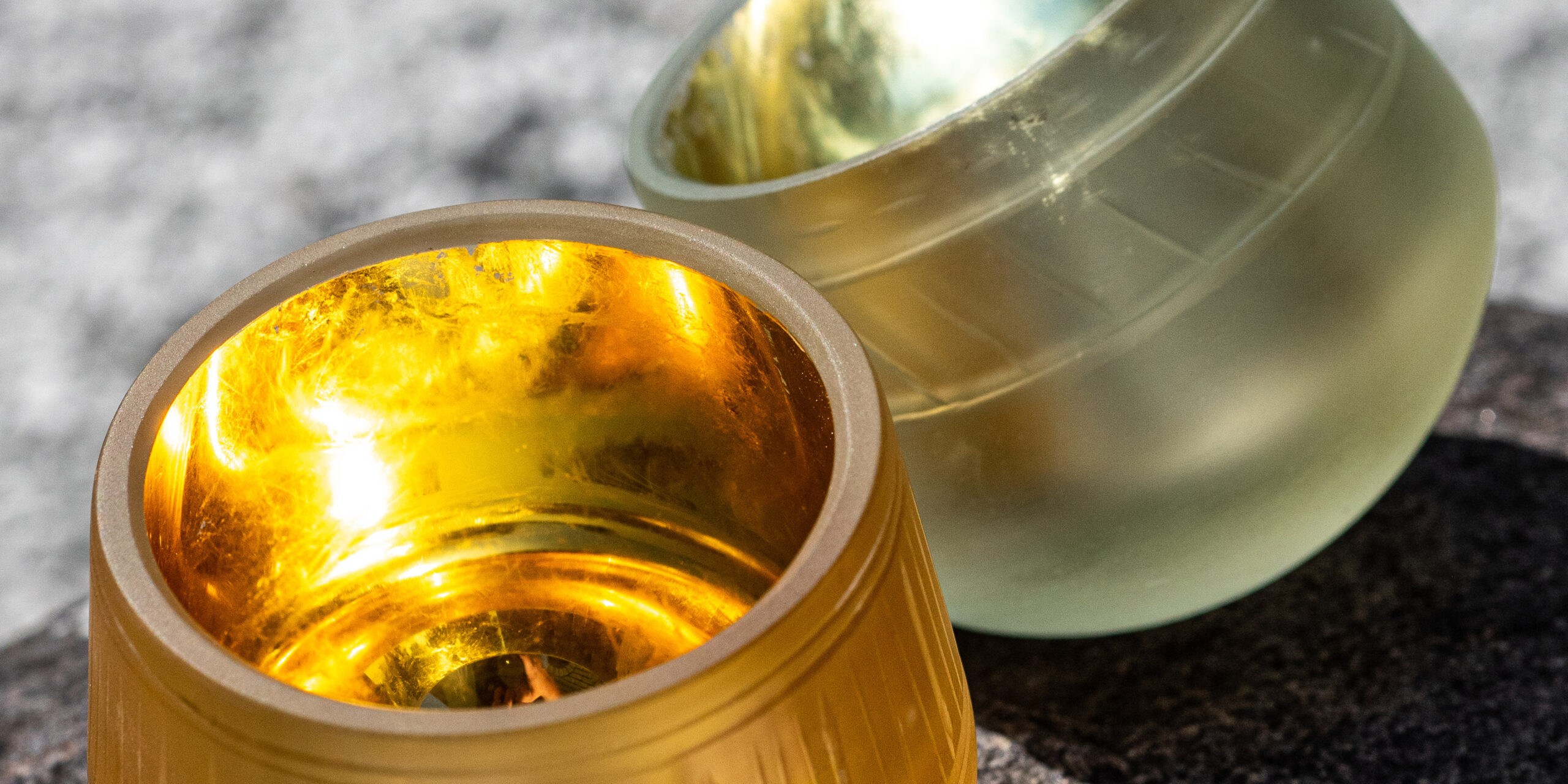
Gilding is often dated back to the ancient Egyptians where gold was used to adorn wood and metal on tomb goods. It was in Roman times when glass gilding appeared and later in the 18th and 19th centuries it was a popular technique for glass mirrors in Europe.
I often use gold in my work as a cultural signifier of value. My work deals with forms of knowledge that have been lost or are undervalued, adding the gold is a way to increase the value of the artefacts and thus imply the value of the subject matter.
Process & Production
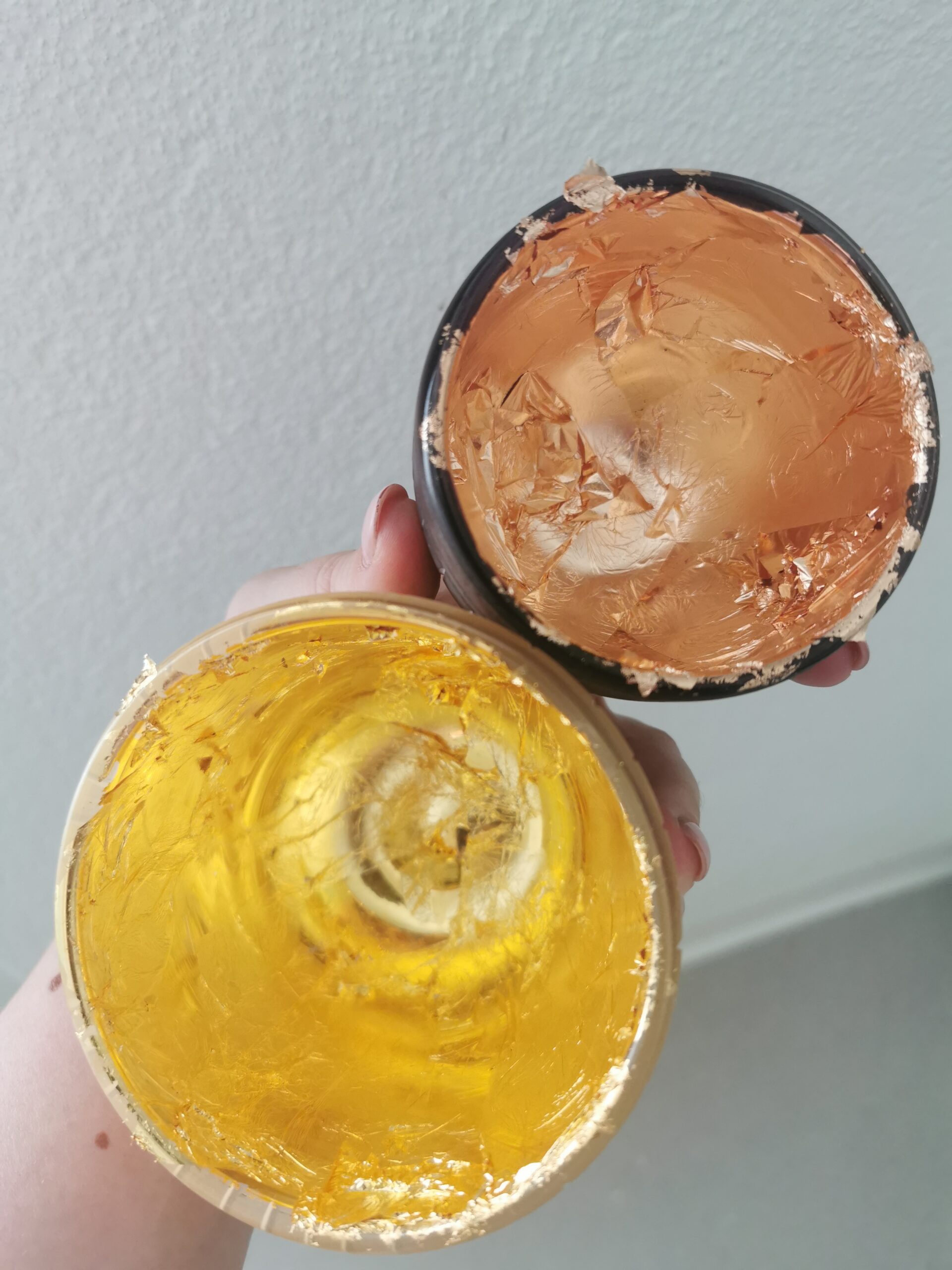
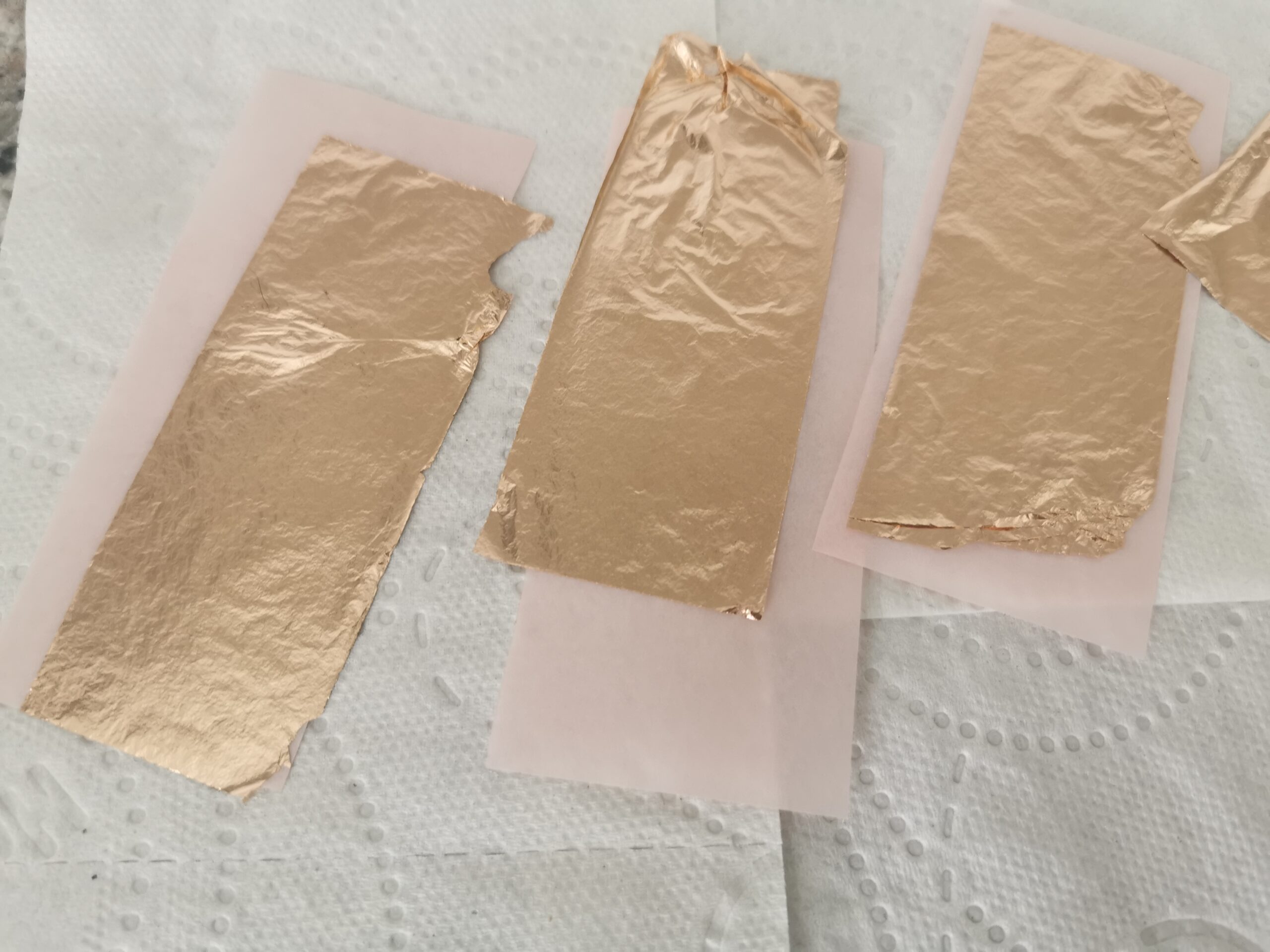
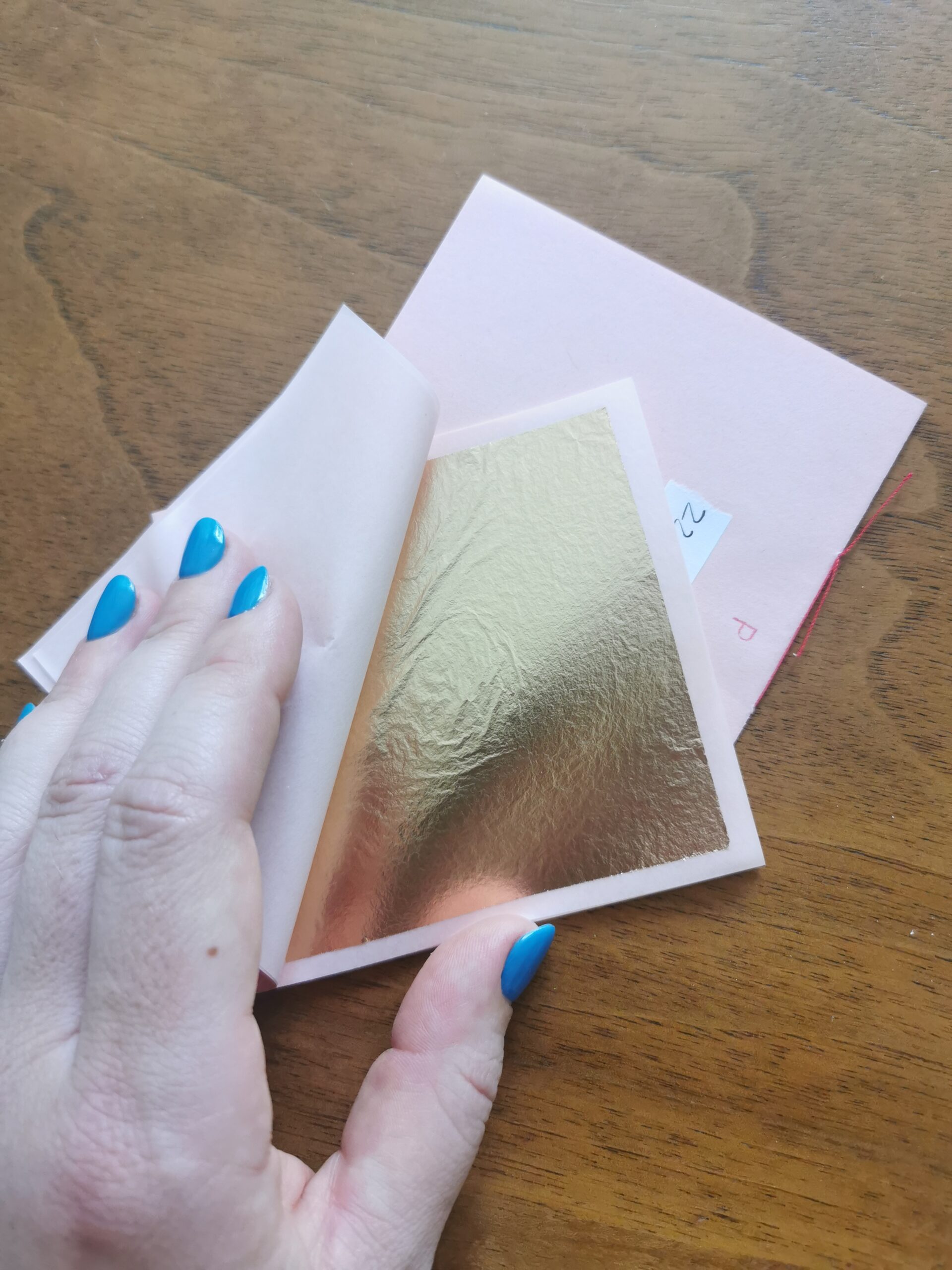
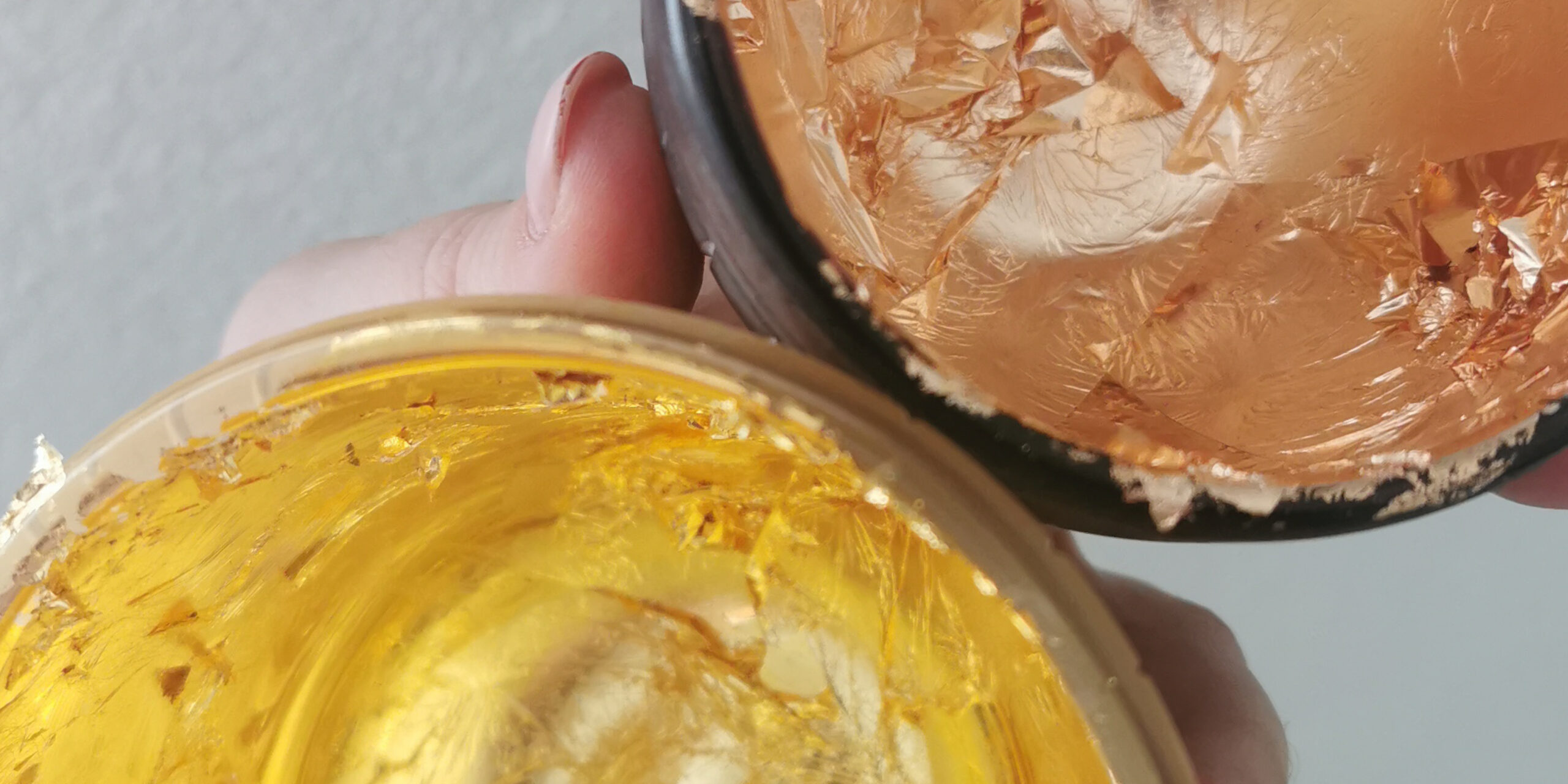
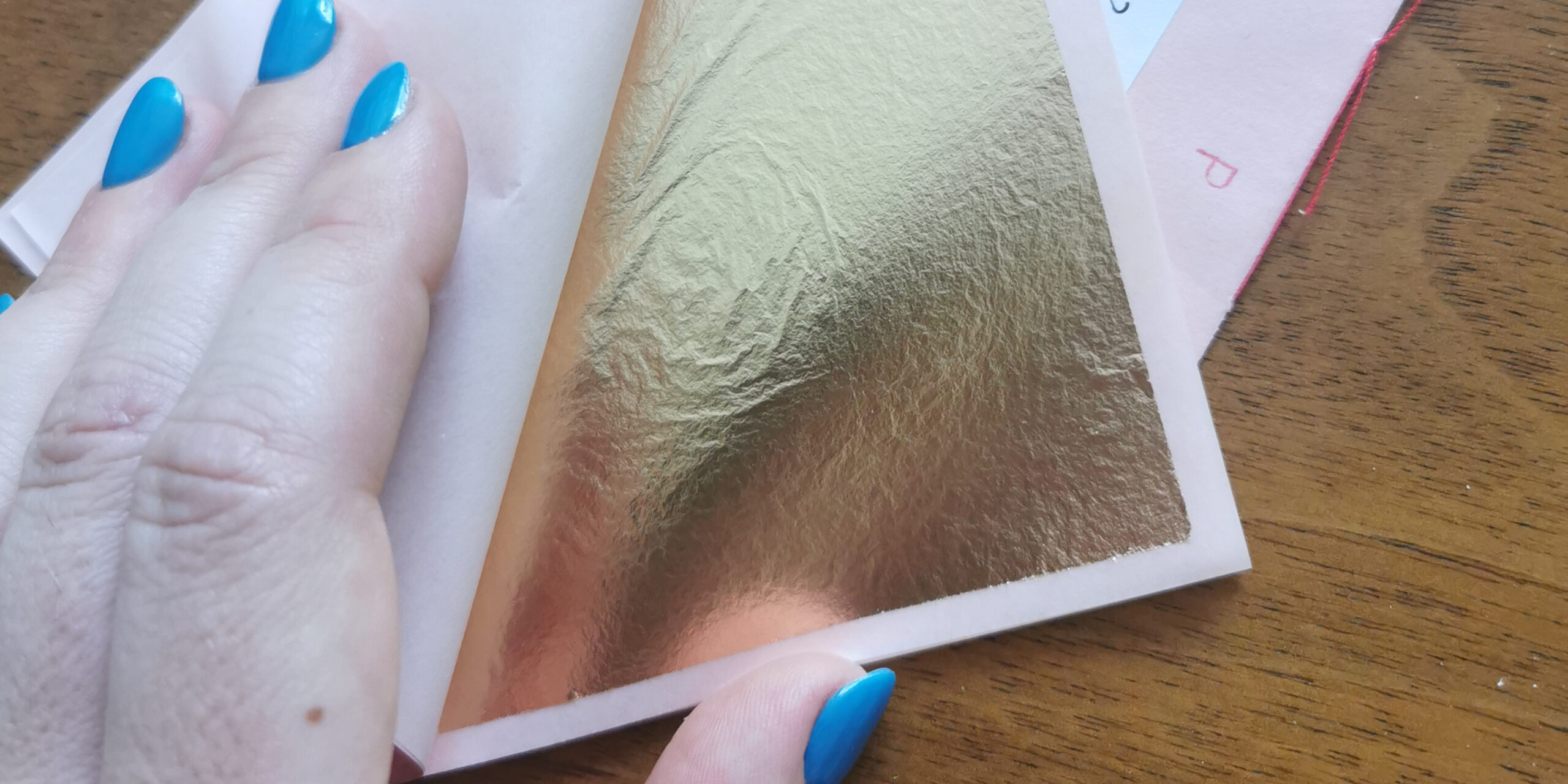
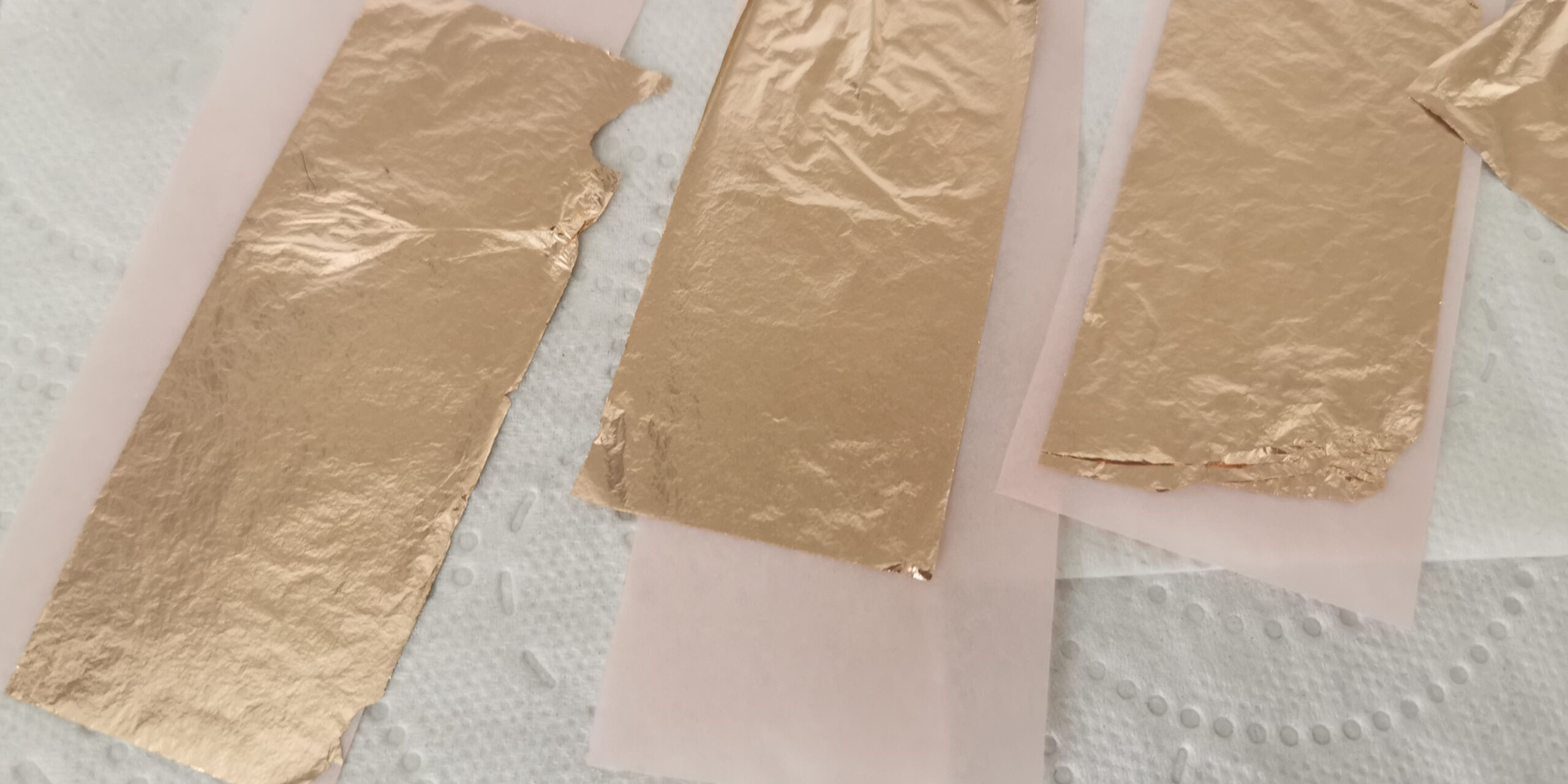
The glass must be free of dirt and dust before starting the gilding process. Cleaning with whiting helps the water gelatine mix (or size) to sit on the surface of the glass. Making the size involves dissolving gelatine in warm water. This is then ‘floated’ over the surface of the glass. A thin leaf of gold is cut to size and using a fine wide brush it is laid over the area to be gilded. This process is continued until the full area is covered. The glass is left overnight to allow the water to evaporate and the gold to adhere to the surface. It can then be buffed and treated with a sealer if required.
Recipe Details
Gold leaf
Gelatine
Water
Whiting
Credits
Craft Maker
Fiona Byrne
Library Contributor
National College of Art & Design Ireland
Photographer
Fiona Byrne
Other Materials
-

Cuccù tree of wife
-

Circus
Red clay sculpture
-

Flax weaving sample #30
weaving – flax – tactility
-

Black Unicorn
Black raku refractory clay sculpture
-

Battle of Flowers
Knit Cardigan with shell buttons
-

Glazing tiles
Glazing tiles in biscuit fired and majolica painting
-

Frog key holder
-

Shawl with buttons
-

Acrobat #6
Papier Mache