


Properties & Qualities
Application
Architecture Art Jewellery Lighting Product Sample Making Sculpture
Colour
Multicoloured
Sample Information
Date of creation
June 2023
Dimensions
Large mould 280 x 280 x 60 mm Small Mould 140 x 140 x 60 mm
Culture & Context
Plaster is an affordable, and easy to use material that allow us to make both simple and complex moulds from a master model.
Small plaster moulds can be made for jewellery applications, and large ones for architectural or sculptural projects.
A plaster mould can be used for forming most cast able materials including glass, -on a 1:1 plaster/quartz ratio, for slumping and for laminating epoxy resins and fibres, including plastics and paper.
PPE mask must be used when mixing plaster and when working with a dry plaster model.
Process & Production
Master models can be made of most materials and depending in their porosity, texture and ability to absorb water, a demolding agent may be needed.
The different areas of the master model need to be sectioned within the model in order to avoid undercuts and to design the mould’s configuration for best usage.
Depending on the material being cast or build inside the mould, the mould may be used once or several times, and may be made of 1 or many parts.
Recipe Details
Plaster powder is added to a container with water and allowed to slake and fall to the bottom of the container undisturbed, plaster continues to be added until the slaked material is slightly above the water level, at this point the plaster is mixed by hand or machine for around one minute.
A chemical reaction happens to plaster when mixed with water, by this reaction the plaster starts to thicken until solid, this process allows plaster to be poured straight after mixing or speeded and as it thickens some minutes after mixing, or mortared a few more minutes later. The different consistencies as it sets allowing for different applications.
Credits
Craft Maker
Arturo Borrego
Library Contributor
National College of Art & Design Ireland
Photographer
Arturo Borrego
Other Materials
-

Surface structure on fibre composites – wood #1
Series of experiments of surface structures on visual fibre composites using a textured mould
-

Clear quarry pattern variation B – antique glass leadlights
-

Beads & lacquer hairpin in rose and grey
Exploration of colour and material
-

Bookmark
-

Glazed 9
Blue glaze
-

Fábrica das Gaivotas – Glass of Som-Residencia
Reproduction of a glass recipe
-
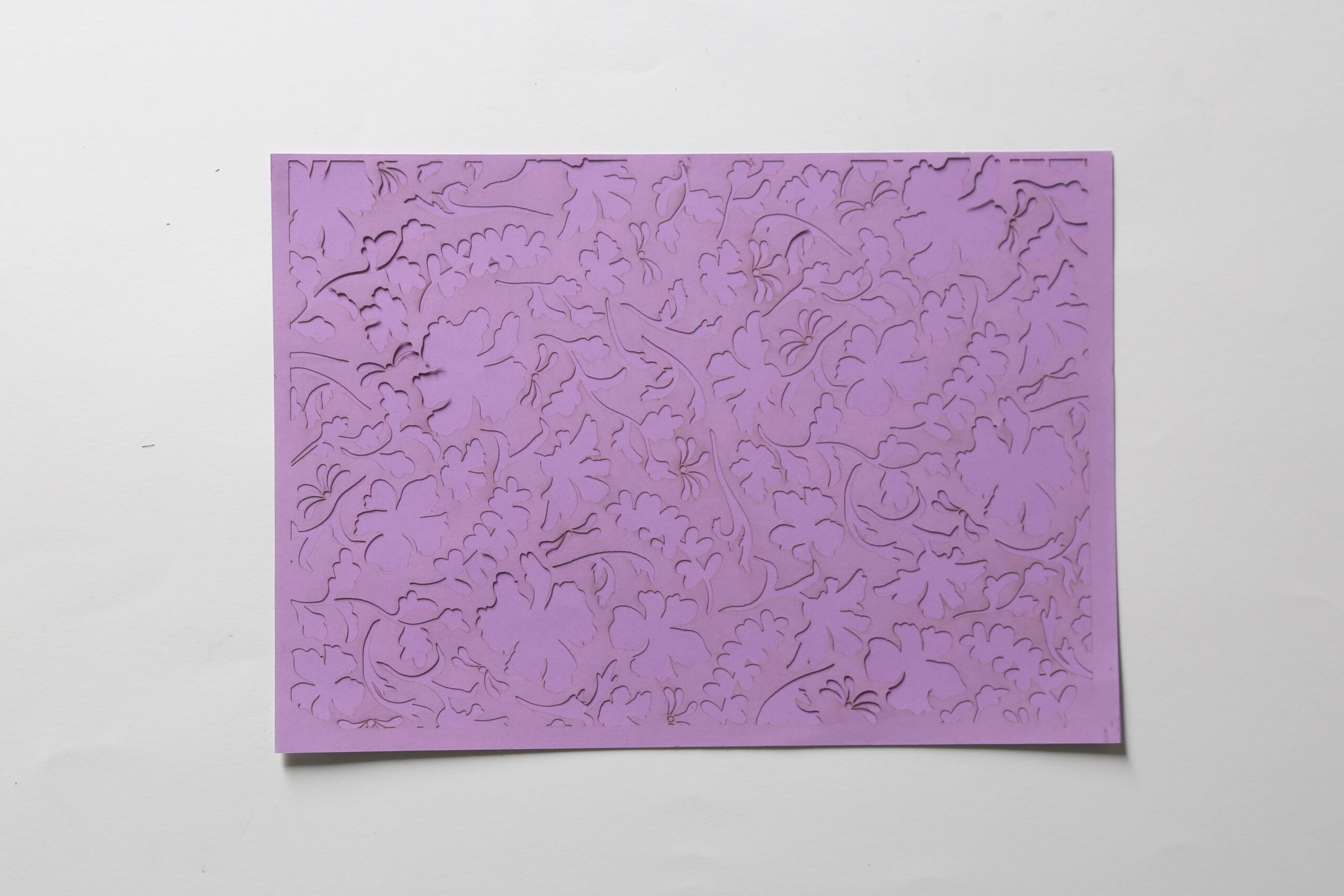
Lasercut Paper ‘Floriography Layered’
Laser cut lilac paper layered. Created utilising a digital vector floral design on a laser cutter
-
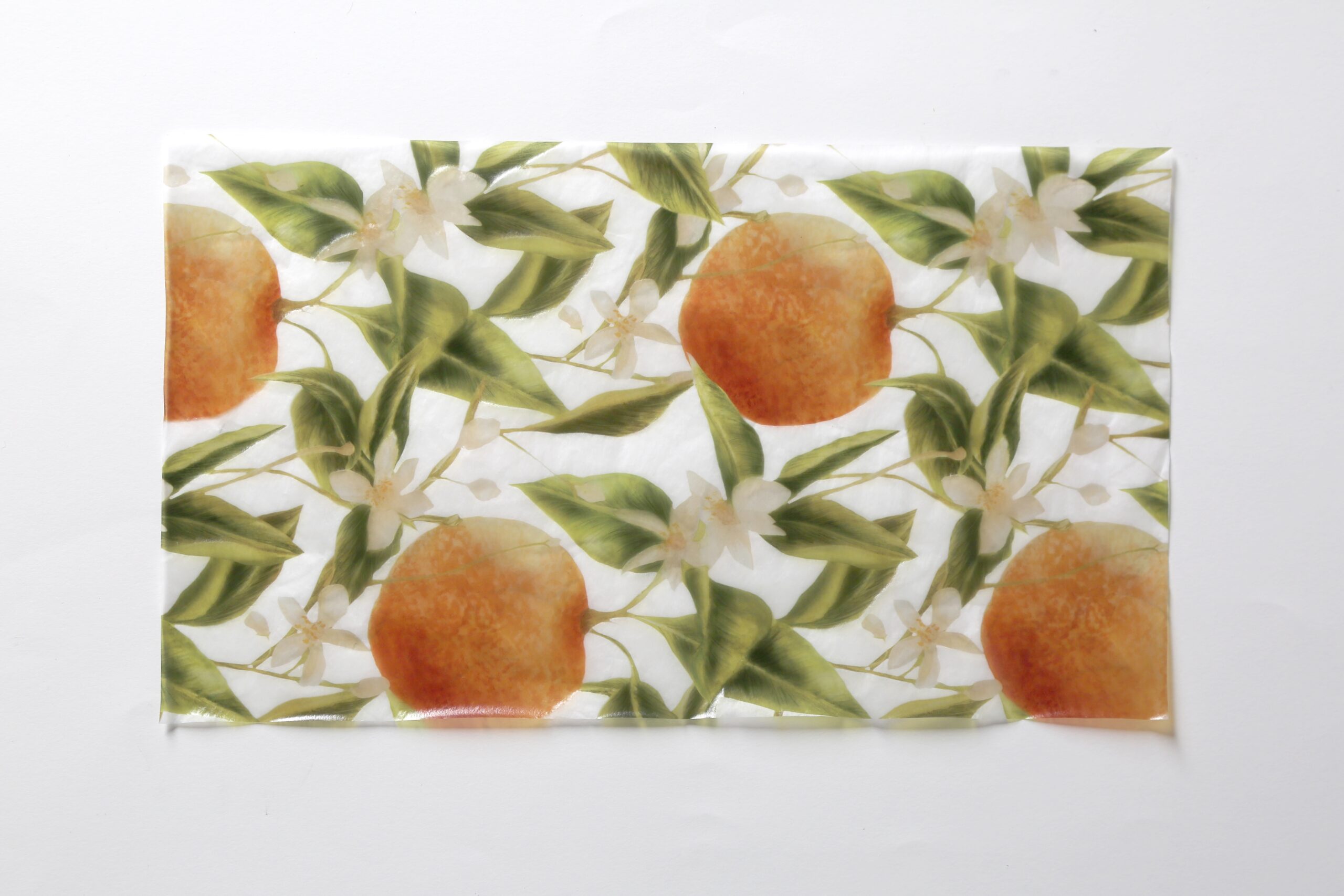
UV Printed Tissue Paper ‘Orange Blossom’
UV printed on tissue paper using a hand illustrated design that has been digitally Rendered
-

“Another Blue Enamel” by Kunckel 1 at 600ºC
“Another Blue Enamel” by Kunckel 1 at 600ºC